Proprietary trading firms (prop firms) allow traders to manage funded accounts ranging from $10,000 to over $400,000 in exchange for a profit split (typically 80% to 90% in favor of the trader). Rather than depositing your own capital, you pay an evaluation fee to prove you can navigate strict risk parameters while generating steady returns….

Category: Forex Trading Tips
Copy Trading Forex: How to Follow Successful Traders Safely
Copy trading in Forex allows investors to automatically mirror the real-time trades of experienced strategy providers (lead traders). While it automates execution, it does not eliminate market risk. Protecting your capital requires treating copy trading as portfolio management—vetting traders rigorously and setting hard platform-level safety parameters. 1.Choose a Regulated Broker Infrastructure:Select regulated platforms. Ensure your…
Algorithmic and Automated Trading in Forex: EAs and Bots Guide
Algorithmic trading in Forex uses software programs—commonly known as Expert Advisors (EAs) or trading bots—to execute trades based on pre-programmed rules. By automating technical analysis, order entry, and position sizing, automated systems eliminate emotional bias and execute trades with sub-millisecond precision. Core Architecture: How Forex EAs Work Automated Forex systems run on platforms like MetaTrader…
How to Build a Personalized Forex Trading Plan
A personalized Forex trading plan is a written set of rules that defines your strategy, risk parameters, routine, and psychological boundaries. It transforms discretion into a repeatable process, ensuring every execution decision aligns with your risk tolerance and availability. 1.Define Trader Profile & Constraints:Match strategy to schedule. Trading Style: Choose between Day Trading, Swing Trading,…
Range Trading Strategies: Profiting in Consolidated Markets
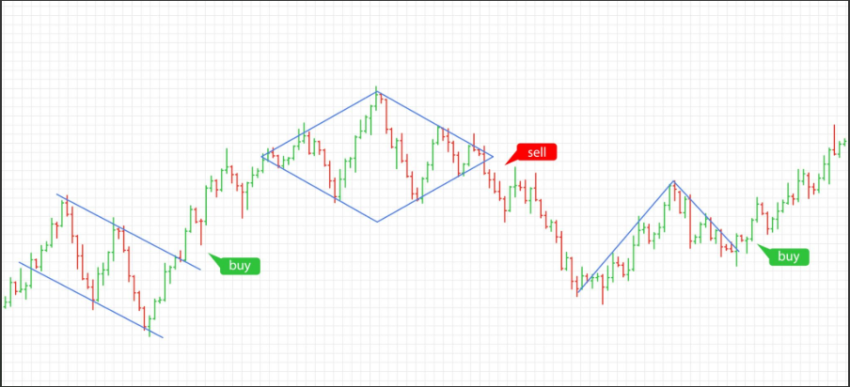
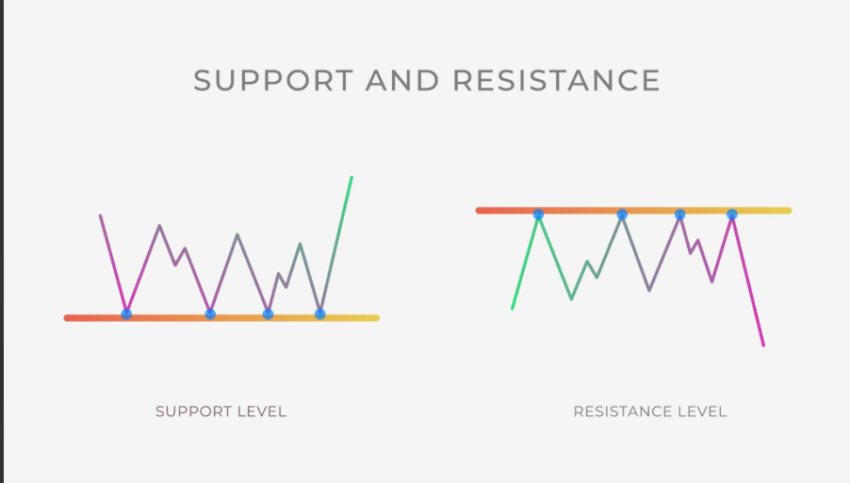
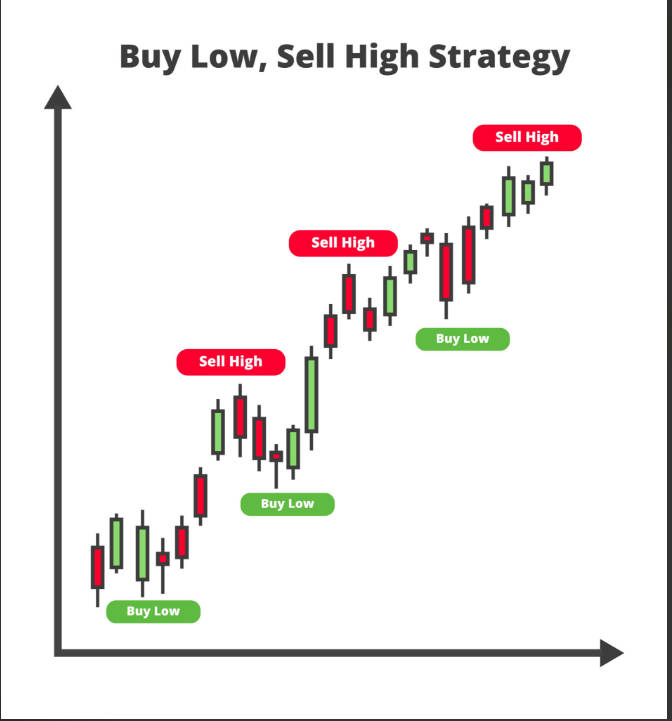
Range trading is a strategy deployed when a financial market trades sideways between clear support floors and resistance ceilings. Rather than riding a directional macro trend, range traders profit by buying near the bottom (support) and selling near the top (resistance) until a breakout occurs. 1. Identifying a Valid Trading Range A market is considered…
Breakout Trading Strategies: How to Catch Explosive Price Moves
Breakout trading aims to capture sharp market expansions right as price forces its way beyond a well-defined boundary, such as a key resistance level, support floor, or chart pattern boundary. Because price compression naturally leads to volatility expansion, catching a genuine breakout allows traders to enter powerful, fast-moving trends early. Anatomy of a High-Probability Breakout…
Position Trading Forex: Long-Term Macro Trend Following
Position trading Forex is a long-term approach where traders hold positions for several months to a year or more. Instead of focusing on short-term market fluctuations, position traders ride major macroeconomic trends driven by central bank interest rate differentials, inflation cycles, and structural economic shifts. Position Trading vs. Other Forex Styles Position trading behaves more…
Swing Trading Forex: Capturing Multi-Day Moves Without Screen Fatigue
Swing trading Forex targets multi-day or multi-week market trends to capture 100 to 300+ pips per trade. By relying on higher timeframes like the Daily and 4-Hour charts, swing traders filter out intraday noise, eliminating the need to stare at live quotes for hours. Core Mechanics: Swing vs. Intraday Trading Swing trading leverages wide price…
Day Trading Forex: Step-by-Step Daily Execution Guide
Day trading Forex successfully requires converting technical analysis into a systematic, repeatable daily routine. By aligning your routine with peak market liquidity and applying strict top-down execution, you remove emotional decision-making from your trading day. 1.Pre-Market Preparation:30-45 minutes before session open. Check Economic Calendar: Note high-impact news events (CPI, NFP, interest rate decisions) for USD,…
Forex Scalping Explained: Quick Trades for Short-Term Profits
Forex scalping is a fast-paced trading style designed to capitalize on small price movements over extremely short timeframes—often ranging from a few seconds to 15 minutes. Rather than holding positions for major macro moves, scalpers execute dozens of trades per day to accumulate small gains (3 to 10 pips) that compound over time. Core Mechanics…