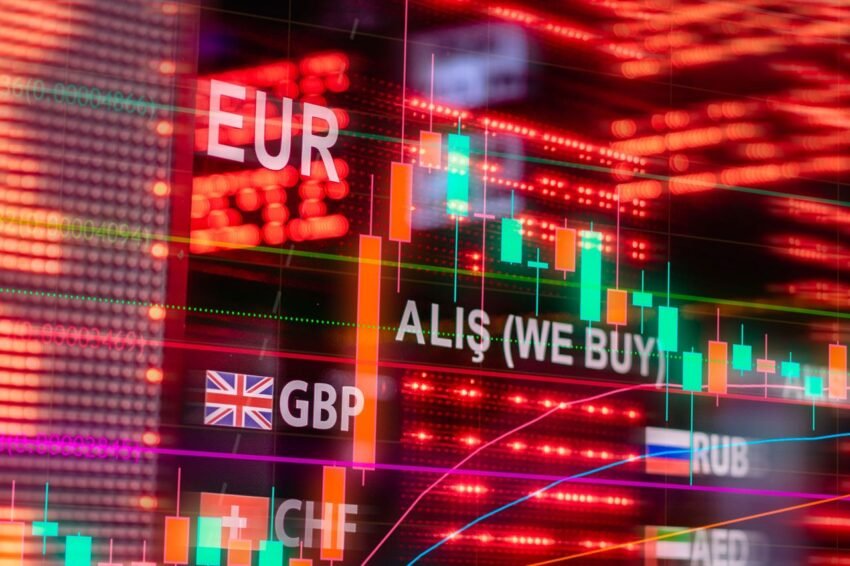
In foreign exchange trading, currencies never trade in isolation—they are always priced in pairs. However, not all currency pairs are created equal. Depending on the size of the underlying economies, political stability, and global trading volume, forex pairs are divided into three distinct categories: Major, Minor, and Exotic pairs. Understanding the difference between these categories…
Category: Forex Trading Tips
Leverage and Margin in Forex Trading: Opportunities and Risks
In the foreign exchange market, leverage and margin are two sides of the same coin. They allow retail traders to open position sizes far larger than what their actual capital would otherwise permit. While leverage acts as a powerful amplifier that can maximize trading returns, it is equally a double-edged sword that can deplete an…
What is a Pip in Forex? How to Calculate Pip Values Easily
If you are starting out in foreign exchange trading, one of the most fundamental terms you will encounter is a pip. Short for Percentage in Point or Price Interest Point, a pip is the standard unit of measurement used to quantify the change in value between two currencies. Understanding what a pip is and knowing…
How to Read a Forex Quote: Base Currency vs. Quote Currency Explained
For anyone entering the foreign exchange market, learning how to read a forex quote is the absolute first step. Unlike the stock market, where you purchase a share of a single company using your local currency, forex trading always involves two currencies simultaneously. Understanding how these two currencies interact in a quote—and knowing which is…
What is Forex Trading? A Beginner’s Guide for 2026
The foreign exchange market—commonly known as forex or FX—is the largest, most liquid financial market in the world. According to the Bank for International Settlements (BIS) Triennial Central Bank Survey, global forex market turnover reached an all-time high of $9.6 trillion per day. Unlike traditional stock exchanges like the NYSE or Nasdaq that operate out…