
During periods of global financial turmoil, geopolitical conflict, or sudden economic shocks, global risk appetite collapses. In these Risk-Off regimes, institutional capital flees high-beta and growth-oriented assets (like stocks and commodity-linked currencies) to seek capital preservation in safe-haven currencies.
The primary safe-haven assets in the foreign exchange market are the U.S. Dollar (USD), the Japanese Yen (JPY), and the Swiss Franc (CHF). However, each responds to crises based on distinct structural mechanics.
Breakdown of the Top 3 Safe-Haven Currencies
+--------------------------------------------------------------------------+
|                     Safe-Haven Currency Characteristics                   |
+--------------------------------------------------------------------------+
|  Currency | Primary Driver in Crises        | Key Strengths               |
|  -------- | ------------------------------- | --------------------------- |
|  USD      | Global Reserve & Liquidity Demand| Sovereign Debt, Treasury Depth |
|  JPY      | Unwinding of Carry Trades       | Net Creditor Nation Status  |
|  CHF      | Political Neutrality & Stability| Banking Secrecy, Low Inflation|
+--------------------------------------------------------------------------+
1. U.S. Dollar (USD): The Ultimate Liquidity Haven
The U.S. Dollar is the world’s primary reserve currency. During extreme global panics, financial institutions and international corporations face a dollar liquidity shortage to service debt and settle obligations.
-
Crisis Behavior: Investors buy U.S. Treasury bonds for safety, sparking massive USD demand.
-
Best Used For: Acute global financial panics, credit crunches, or broad systemic crashes where cash liquidity is king.
2. Japanese Yen (JPY): The Carry Trade Unwind
For decades, Japan maintained near-zero or negative interest rates. Institutional investors routinely used the low-interest Yen as a funding currency—borrowing JPY at cheap rates to buy higher-yielding global assets (the “carry trade”).
-
Crisis Behavior: When markets crash, investors scramble to liquidate their risk positions and pay back their JPY loans. Repurchasing Japanese Yen creates a rapid spike in JPY valuation.
-
Best Used For: Equity market liquidations and sharp spikes in market volatility (VIX jumps).
3. Swiss Franc (CHF): The Geopolitical Shield
Switzerland maintains strict political neutrality, an exceptionally strong trade balance, and low national debt.
-
Crisis Behavior: During European political crises, military conflicts, or banking sector scares, capital flows steadily into Swiss bank accounts and CHF-denominated assets.
-
Best Used For: European economic instability, regional wars, and inflation panics.
Comparing Safe-Haven Behaviors by Crisis Type
Not all crises trigger identical moves across the three safe havens:
| Crisis Scenario | Preferred Safe Haven | Key Currency Pair to Trade | Market Dynamics |
| Global Liquidity / Credit Crunch | USD | Short AUD/USD or EUR/USD | Extreme liquidity demand overrides all other macro factors, boosting USD. |
| Stock Market Crash / Volatility Spike | JPY | Short CAD/JPY or AUD/JPY | Swift unwinding of carry-trade funding positions propels JPY higher. |
| European Geopolitical / War Shock | CHF | Short EUR/CHF | Flight to safety from European borders into neutral Switzerland. |
Actionable Strategies for Trading Crises
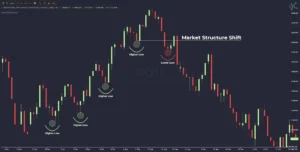
Strategy 1: Pair the Strongest Haven Against the Weakest Risk Currency
To maximize trend strength during a Risk-Off spike, avoid trading safe havens against each other (e.g., USD/JPY can yield mixed results during panic). Instead, pair a safe-haven against a high-beta commodity currency:
-
Sell AUD/JPY or Sell NZD/JPY during equity market crashes.
-
Sell AUD/USD during global recession panics.
Strategy 2: Monitor Intermarket Risk Gauges
Track real-time sentiment indicators to confirm whether a crisis entry is valid:
-
VIX (CBOE Volatility Index): A surge above 25–30 signals active market liquidation, favoring JPY and CHF long positions.
-
U.S. 10-Year Treasury Yields: Sharp declines in yields indicate heavy bond buying (flight to safety), supporting USD strength.
Key Risk Management Rules in Crisis Markets
-
Beware of Central Bank Intervention: Extremely strong safe-haven rallies can hurt home-country export economies. Be cautious of official intervention from the Bank of Japan (BOJ) or Swiss National Bank (SNB) when JPY or CHF appreciate too rapidly.
-
Account for Wider Spreads: During surprise geopolitical headlines or market panics, broker liquidity thins, causing bid-ask spreads to widen significantly. Lower your position size to compensate for increased slippage.
-
Use Stop-Loss Brackets: Never leave positions unbracketed during crisis periods, as overnight gaps can trigger severe drawdowns.