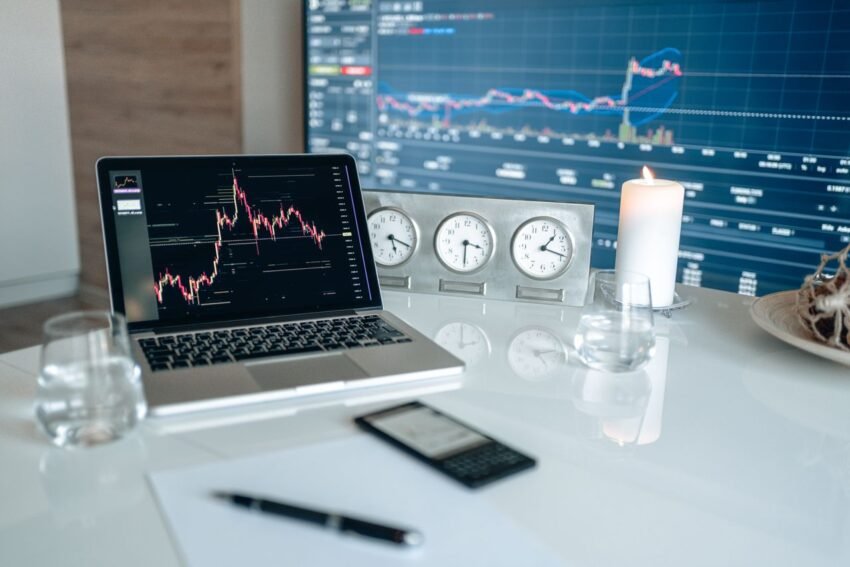
When choosing a financial market to trade or invest in, the two most popular retail options are the foreign exchange (forex) market and the stock market. While both allow traders to deploy capital and speculate on price movements, they operate under fundamentally different mechanics, timeframes, and structural rules. Choosing between forex and equities comes down…
Order Types in Forex: Market, Limit, Stop, and Stop-Loss Orders
In the foreign exchange market, executing a trading strategy relies on issuing the correct instructions to your broker. These instructions—known as order types—determine how, when, and at what price your trades are entered or exited. Whether you need immediate execution, a specific entry price, or automated risk protection, choosing the right order type is vital…
What is a Forex Demo Account and How Should You Use It?
For anyone stepping into the foreign exchange market, a forex demo account (often referred to as a paper trading account) is one of the most essential learning tools available. It provides a bridge between theoretical market knowledge and live trading execution—all without taking on financial risk. What is a Forex Demo Account? A forex demo…
Forex Market Hours: The Best Times of Day to Trade Currency Pairs
Unlike traditional stock exchanges, the foreign exchange market operates 24 hours a day, 5 days a week. Because currencies are traded globally across different time zones, when one major financial center closes, another opens, keeping liquidity moving seamlessly around the clock. However, just because the market is open 24 hours does not mean every hour…
How Do Spread and Commission Work in Forex Trading?
When trading foreign exchange, entering and exiting positions is rarely free. Brokers charge fees for facilitating your access to global liquidity, and these trading costs primarily take two forms: spreads and commissions. Understanding how both mechanisms work is crucial because transaction costs directly impact your profitability—especially if you trade frequently using day-trading or scalping strategies….
Major, Minor, and Exotic Currency Pairs: What’s the Difference?
In foreign exchange trading, currencies never trade in isolation—they are always priced in pairs. However, not all currency pairs are created equal. Depending on the size of the underlying economies, political stability, and global trading volume, forex pairs are divided into three distinct categories: Major, Minor, and Exotic pairs. Understanding the difference between these categories…
Leverage and Margin in Forex Trading: Opportunities and Risks
In the foreign exchange market, leverage and margin are two sides of the same coin. They allow retail traders to open position sizes far larger than what their actual capital would otherwise permit. While leverage acts as a powerful amplifier that can maximize trading returns, it is equally a double-edged sword that can deplete an…
What is a Pip in Forex? How to Calculate Pip Values Easily
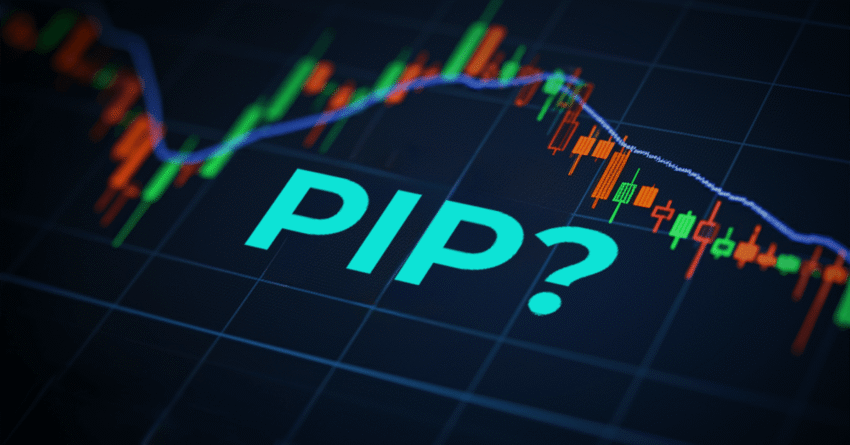
If you are starting out in foreign exchange trading, one of the most fundamental terms you will encounter is a pip. Short for Percentage in Point or Price Interest Point, a pip is the standard unit of measurement used to quantify the change in value between two currencies. Understanding what a pip is and knowing…
How to Read a Forex Quote: Base Currency vs. Quote Currency Explained
For anyone entering the foreign exchange market, learning how to read a forex quote is the absolute first step. Unlike the stock market, where you purchase a share of a single company using your local currency, forex trading always involves two currencies simultaneously. Understanding how these two currencies interact in a quote—and knowing which is…
What is Forex Trading? A Beginner’s Guide for 2026
The foreign exchange market—commonly known as forex or FX—is the largest, most liquid financial market in the world. According to the Bank for International Settlements (BIS) Triennial Central Bank Survey, global forex market turnover reached an all-time high of $9.6 trillion per day. Unlike traditional stock exchanges like the NYSE or Nasdaq that operate out…