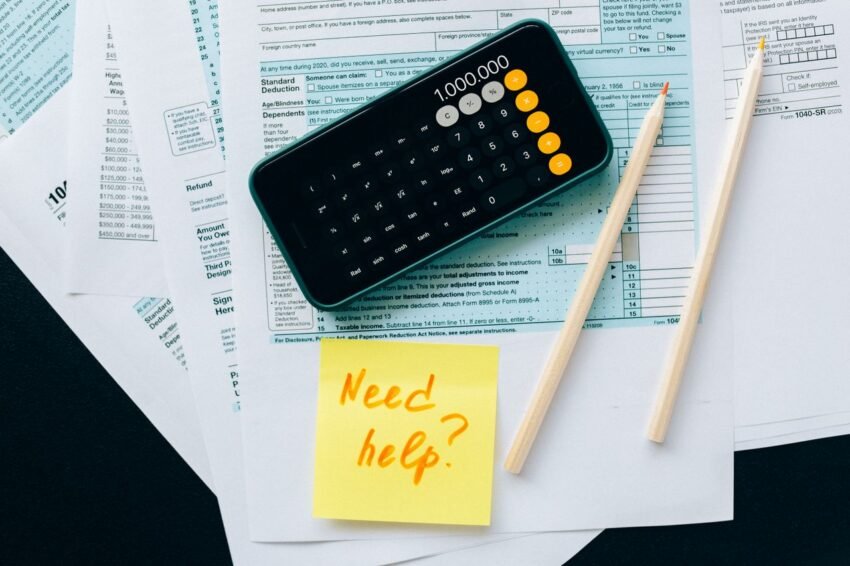
Forex trading taxation depends heavily on your jurisdiction, trading style, and the financial instrument you trade. Trading foreign currencies generates taxable transactions under most national tax authorities, but the specific tax rates and loss-deduction rules vary significantly.
United States Tax Framework
In the US, spot forex transactions fall under two main Internal Revenue Code (IRC) classifications: Section 988 and Section 1256.
| Feature | Section 988 (Default) | Section 1256 (Elected) |
| Tax Classification | Ordinary Income / Loss | Capital Gain / Loss (60/40 Split) |
| Tax Rates | Standard marginal income rate (10% to 37%) | Blended rate: 60% Long-Term (0-20%) + 40% Short-Term (10-37%) |
| Loss Deduction | Unlimited offset against ordinary income (e.g., salary) | Capped at $3,000 against ordinary income; rest carries forward |
| Reporting Forms | Form 1040 (Schedule 1, “Other Income”) | Form 6781 and Schedule D |
-
Section 988 (Default): Applies to spot forex trading. Net gains are taxed as ordinary income at your regular tax bracket. If you end the year at a loss, you can write off the full loss against your other income (such as W-2 wages) without the standard $3,000 capital loss limitation.
-
Section 1256 (60/40 Rule): Applies to forex futures and options, but spot traders can elect to switch to Section 1256. Under this section, 60% of gains are taxed at the lower long-term capital gains rate, and 40% are taxed at short-term ordinary rates—regardess of holding time.
-
Making the Election: To opt into Section 1256, you must sign an internal written record before January 1st of the tax year (or before your first trade of the year if you are new). You cannot opt in retroactively at tax time.
United Kingdom Tax Framework
In the UK, HMRC categorizes forex trading based on the execution vehicle:
-
Spread Betting: Classified by HMRC as gambling. Profits are 100% tax-free (exempt from Capital Gains Tax and Stamp Duty). The trade-off is that losses cannot be offset against other gains.
-
CFDs and Spot Forex: Taxed under Capital Gains Tax (CGT). Net profits exceeding the annual CGT allowance (£3,000 for the 2025/2026 tax year) are taxed at 18% (basic rate) or 24% (higher/additional rate). Losses can be carried forward to offset future capital gains.
-
Professional Status: If HMRC classifies your trading as full-time self-employed business activity, profits shift to Income Tax (up to 45%) plus National Insurance contributions.
Critical Compliance & Record-Keeping Practices

-
Trade Logging: Keep transaction reports from your broker showing exact open/close timestamps, currency pairs, conversion exchange rates to your base currency, and gross profit/loss per trade.
-
Track Deductible Expenses: Independent active traders can deduct necessary trading costs, such as charting software subscriptions, VPNs, VPS hosting, news feeds, and professional trading education.
-
Unrealized vs. Realized Positions: Open positions held across midnight on December 31 are treated differently by jurisdiction. Under US Section 1256, open contracts are “marked-to-market” on the last business day of the year as if sold at fair market value.