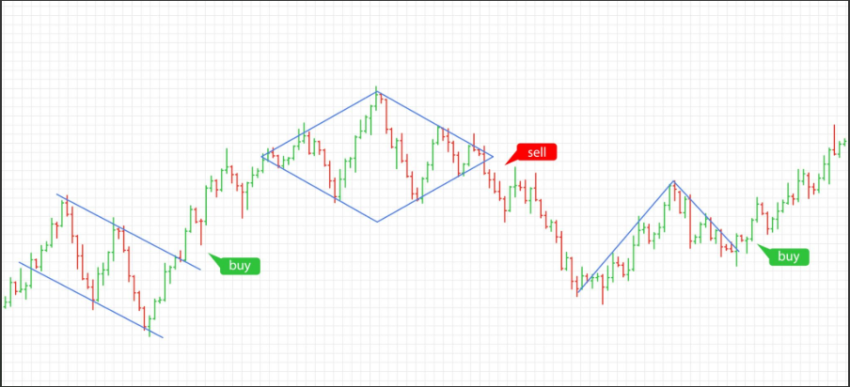
Breakout trading aims to capture sharp market expansions right as price forces its way beyond a well-defined boundary, such as a key resistance level, support floor, or chart pattern boundary. Because price compression naturally leads to volatility expansion, catching a genuine breakout allows traders to enter powerful, fast-moving trends early.
Anatomy of a High-Probability Breakout Setup
Not all level breaches lead to sustained moves. Genuine breakouts display distinct structural characteristics before the decisive candle closes:
                          HIGH-PROBABILITY BREAKOUT

  Resistance Line ───────────────────/──────────────── Higher High Breakout
                                    / ◄── Surge in Volume & Expansion
  Consolidation Range ──────/\─────/
                           /  \   /   ◄── Volatility Compression
  Support Line ───────────/────\- /
-
Volatility Compression: Price coils tightly into ascending triangles, bull flags, or narrow horizontal channels, showing building pressure.
-
Volume Expansion: Real breakouts feature an influx of institutional trading volume as breakout orders get triggered.
-
Build-up at Key Levels: Price consolidates directly under resistance (or above support) rather than making a extended, exhausted run from far away.
2 Core Execution Strategies
| Breakout Style | Entry Point | Advantage | Disadvantage |
| Aggressive (Direct Break) | Buy Stop pending order placed 2–3 pips beyond key level | Ensures you never miss explosive, non-stop momentum moves | Higher exposure to fakeouts (bull/bear traps) |
| Conservative (Break & Retest) | Limit order on the pullback to former resistance (now support) | Provides higher Risk-to-Reward ($R:R$) and clearer stop placement | Price may run away aggressively without offering a retest |
How to Filter Out False Breakouts (Fakeouts)
-
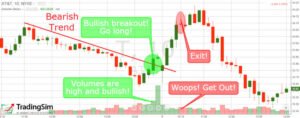
Avoid Extended Moves: Never buy a resistance breakout if price had to rally 100 pips straight to reach that level—it is likely exhausted.
-
Trade in Direction of Macro Flow: Align 15-minute breakouts with the Daily chart’s overall trend direction.
-
Wait for Candle Closes: Avoid entering while the candle is active; wait for the full session candle to close outside the key structural level.